Category: Uncategorized

  • American Roulette Online Play for the Busy Aussie Punter

    The sun’s already dipped below the Perth skyline and the last ferry’s cutting through the harbour, which is exactly when most of us reckon it’s time to settle in with a cold one and a screen. American roulette online play has that same late-afternoon pull for a lot of local players – quick rounds, a familiar wheel, and enough pace to fit between shift changes and family dinners. I’ve spent years mapping customer journeys across iGaming and membership platforms, and the Aussie market rewards clarity over flash: if the layout’s cluttered or the localisation feels borrowed, punters bounce before the first spin. Below is a straight assessment of how this format actually holds up for everyday use here.

    Interface and Everyday Usability

    A clean dashboard matters more than a glossy hero image, and the best setups keep the wheel front and centre while tucking menus where you won’t accidentally tap them mid-spin. Navigation should follow a simple top bar with clear buckets for games, promotions, account, and support, plus a search that actually understands “American roulette” without redirecting you to European variants. Currency and language localisation need to feel native, not translated – AUD balances, local payment descriptors, and help copy that reads like it was written for an arvo session rather than a corporate handbook. I’ve run lifecycle campaigns where a single mistranslated field or a clunky mobile menu dropped conversion by double digits, so the bar for everyday usability is higher than most operators admit. The real test is whether you can register, verify, deposit, and place a bet without hunting through three different screens. A well-structured table helps set expectations before you even load the lobby.

    Area What to expect
    Visual identity Wheel-forward layout, muted accent colours, clear bet chips
    Navigation Top bar with games, promotions, account, support; functional search
    Language/currency AUD balances, local descriptors, Aussie-facing help copy
    Mobile Responsive shell, tap targets sized for thumb reach, no horizontal scroll
    Registration Straight fields, clear verification steps, no hidden hurdles

    When the interface respects your time, the rest of the session feels less like work and more like a proper punt. That’s the difference between a site you open once and a site you keep in your bookmarks for a quiet weeknight.

    Localisation and Payment Flow

    Money movement has to feel routine, not like a puzzle you solve between sips of something cold. A solid operator lists AUD as the default balance, shows local bank descriptors on statements, and keeps deposit and withdrawal paths separate so you’re never guessing which method does what. Registration should ask only for what’s genuinely needed, then guide you through verification without making it feel like a border crossing. I’ve managed membership flows where over-complicated onboarding killed repeat visits, and the same principle applies here: the fewer unclear steps, the more likely someone comes back next week. Local payment options matter, but so does the timing and clarity around them – players want to see where their balance stands without digging through three menus. If you’re comparing how a site handles in-play action versus the phone or in-person channels that still govern some Australian markets, the contrast tells you a lot about the operator’s overall discipline. Jackpot American Roulette Meets the Energy

    For a quick sense of what to check before you commit, run through this short list:

    • Default currency set to AUD with clear balance display
    • Local bank descriptors on deposits and withdrawals
    • Verification steps explained upfront, not buried in fine print
    • Separate deposit and withdrawal paths that don’t cross wires
    • Support contact visible before you need it, not after

    When the payment flow is ordinary and predictable, you can actually focus on the wheel instead of the backend.

    Bonus Mechanics and Loyalty Structure

    Promotions around American roulette online play need to be readable at a glance, because a bonus that sounds generous on the surface can still carry terms that make it awkward to use. A decent setup spells out wagering requirements, eligible games, and any limits on the bet size you can place while a bonus is active, all in plain language rather than legal padding. Loyalty programmes work best when they reward actual play patterns instead of forcing you into a rigid tier ladder that resets every month. I’ve built automation around customer segments where the reward only felt valuable because it matched how people actually behaved, and the same logic applies to casino loyalty – points or perks that don’t align with real habits just become noise. Mobile access should carry the same terms as desktop, with no surprise downgrades in functionality when you switch devices. If a site’s bonus structure reads like it was designed for a different market, it usually shows up in the fine print before you’ve even placed a first bet.

    Game Range and Session Pace

    The appeal of this format is partly the wheel itself and partly the rhythm it sets for a session. American roulette keeps the double zero, which shifts the maths in a way regular players already understand, and a good lobby makes it easy to find the variant you want without wading through unrelated titles. Providers should be named clearly, with game rules and bet limits visible before you commit, so you’re not guessing whether a table suits your style. I’ve seen campaigns where the product mix was strong but the presentation was so scattered that players never found the right table, and that’s a missed opportunity that no amount of marketing can fix. Session pace matters too – quick rounds suit a short break, while longer sessions need a layout that doesn’t feel cramped after twenty spins. If you want a closer look at how the wheel’s energy translates to a live feel, this piece on jackpot american roulette breaks down that crossover without overstating it.

    Support, Mobile, and Player Fit

    Support should be easy to reach and actually helpful when you need it, not just a chat window that loops you through the same three answers. A practical setup offers a visible contact path, reasonable response times, and help copy that understands the local context instead of sounding like it was drafted for a different continent. Mobile performance has to match the desktop experience in function, even if the screen is smaller – bet placement, balance checks, and account tools should all work without making you pinch and zoom. I’ve audited journeys where mobile was treated as an afterthought and the drop-off was immediate, which is why I judge a site by how it behaves on a phone during a busy weeknight, not just on a laptop in a quiet room. For players who want a straightforward session with clear terms, AUD balances, and a wheel that’s easy to find, this format can fit well; for anyone chasing complicated bonus stacking or a heavily gamified loyalty maze, it’s probably not the right match. rocketplay casino no deposit bonus

    The short verdict: American roulette online play works for Aussie adults who value a clean interface, predictable payment flow, and terms they can read without a magnifying glass. If the site you’re looking at delivers those basics without making you work for them, it’s worth a proper try; if the localisation feels borrowed or the bonus wording gets fuzzy, there are better ways to spend an arvo.
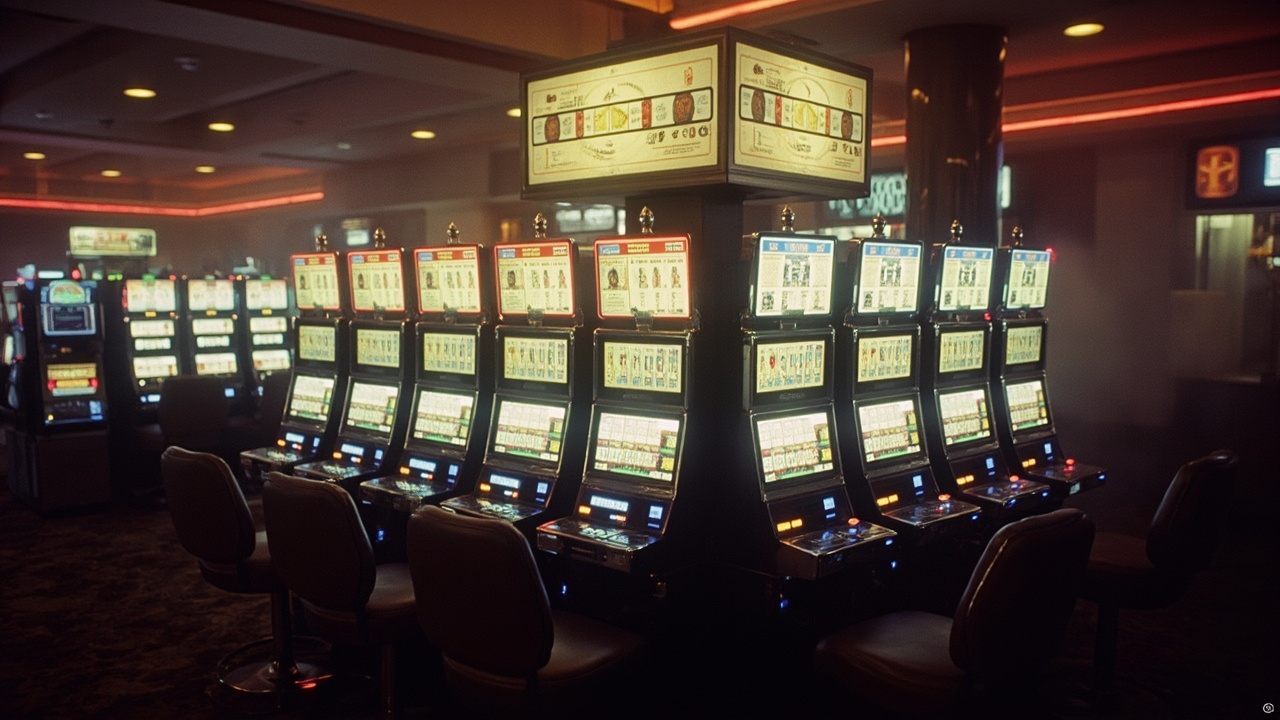

  • Tournament Slot Play Down Under: Timing, Payouts and Loyalty

    If you want to stretch a bankroll on a Saturday arvo, casino tournaments slots can turn a quiet session into a proper contest. The trick is reading the prize pool and entry fee before you spin. At lucky dreams casino australia, the weekly leaderboard resets fast, so timing matters just as much as the reels.

    How Tournament Structures Shape Your Spin

    Tournament structures in casino tournaments slots usually split entrants into timed brackets, with a fixed buy-in and a prize pool carved from the pot. I have seen the same logic in operational data reviews, where a queue backlog spikes when a single process stalls; a tournament does the same thing to a bankroll when the entry fee outpaces the expected slice of the prize. At Lucky Dreams, the Friday evening bracket runs for ninety minutes, with a 20 AUD entry and a top-ten cut that pays out in AUD straight to your balance. The twist is the leaderboard reset: you do not carry points across weeks, so a slow start means you are chasing a fresh field every time. Payouts are calculated from total spins wagered, not just big wins, which rewards steady play over one lucky hit. That structure suits someone who can lock in for the full window rather than dipping in and out. lucky dreams casino australia Reading Poker Tournament Chip Stacks Before

    Reading the Fine Print Before You Commit

    Entry Fees and Prize Distribution

    Entry fees in casino tournaments slots are the first number to check, because a low buy-in can mask a thin prize pool. At the Adelaide end of things, I watched a mate work out the maths over a flat white: a 10 AUD entry with a 500 AUD pool beats a 25 AUD entry with a 600 AUD pool if your goal is value per spin. The distribution curve matters too, since a top-heavy payout rewards only a handful of players while a flatter spread keeps more entrants in the game. Lucky Dreams publishes the expected share per finishing position before the bracket opens, which is the kind of transparency you want when you are weighing up whether the fee is worth the ride. Always check the minimum spin count required to stay ranked, because dropping below it can see you slide out of the money even with a decent balance.

    Timing, Resets and Loyalty Perks

    Timing is where most players lose ground, because a bracket that resets every week means yesterday’s leaderboard is gone for good. I have run incident logs where a delayed alert compounded a small issue into a full outage; the same thing happens here when you miss the window and try to catch up mid-bracket. Lucky Dreams runs its main slot tournament on Friday nights and a shorter Saturday arvo sprint, so you can pick the pace that suits your schedule. Loyalty points still stack outside the tournament, with a cashback tier that kicks in after ten sessions and a VIP ladder that unlocks faster withdrawals for frequent players. That recurring value is the real reason to keep coming back once the welcome offer has done its job. For anyone who wants a closer look at how stack position changes your read on a contest, reading poker tournament chip stacks before you play lays out the same kind of positional thinking in a different format.

    Matching the Format to Your Play Style

    If you like a defined window and a clear finish line, casino tournaments slots fit better than an open-ended spin session. The structure forces a decision up front: commit the entry fee, play the full bracket, and accept that variance will do what it does. For players who want recurring reasons to return, the loyalty cashback and VIP ladder at Lucky Dreams carry more weight than a one-off bonus, because they reward repeat play rather than a single deposit. The mobile app handles the same tournament lobby as the desktop site, so you can track your position from the train or the couch without losing your place in the queue. Just treat it like any operational process: set a limit, watch the leaderboard, and step out when the window closes rather than chasing a reset that has already moved on.

    1. Check the entry fee and total prize pool before the bracket opens.
    2. Confirm the spin-count minimum and the leaderboard reset time.
    3. Set a session limit that covers the full window without stretching your bankroll.
    4. Track your position during the bracket and step out when the window closes.

    For players who want a defined contest with a clear finish line and a loyalty program that carries over between weeks, Lucky Dreams suits a steady, time-aware approach rather than a one-off spin.

  • Untitled

    Multi Hand Blackjack Online: Weighing Pace, Limits and Trust

    Multi Hand Blackjack Online For Australians Who Want Pace And Control

    I still remember the arvo a mate walked in from regional New South Wales, pockets rattling with coins, telling me Kerry Packer’s high-stakes gambling made global headlines in Las Vegas and London for a reason: pace and bankroll discipline beat flash every time. That same logic sits behind multi hand blackjack online, where you’re not chasing one shoe but juggling several tables at once, and the maths doesn’t care how busy you are. The term “gambling” itself derives from an Old English word related to playing games, which is a polite way of saying the old habits run deep, and the modern interface just multiplies the decisions. I’ve worked across slot development and content leadership in Australia, Europe and Asia, and I’ve seen the same pattern repeat: players who understand variance and table limits stay in the game longer than those who treat extra hands as free speed.

    [own; anchor=”https://legacy-of-dead-slot-au.com”]

    What The Format Actually Demands From Your Bankroll

    Multi hand blackjack online isn’t a shortcut; it’s a multiplier, and the first thing I tell anyone who asks is to treat each active hand like a separate line item on a ledger. When you’re running four, six or eight hands against a single dealer shoe, the variance stacks in a way that feels smooth until a bad run hits two or three positions at once and your bankroll thins faster than expected. I’ve built and shipped games where the underlying RNG and shoe penetration had to survive scrutiny from operators who treat edge cases like a live wire, and the takeaway is simple: the format rewards patience and punishes impulse. A casino may “shuffle up” early to disrupt a counter’s advantage, which is a reminder that the house controls the rhythm, not the other way around, and that’s worth keeping in mind before you load up extra spots just because the buttons look inviting. The practical move is to cap your total session exposure before you press deal, then size each hand so a short swing doesn’t force you to reload on a whim. Как выбрать лицензированное онлайн-казино для игроков

    Where Trust, Support And Account Controls Actually Show Up

    I asked Aaron White, Head of Product, Wattle Gaming Partners, how operators should frame pace without selling it as a loophole, and he put it straight: “Players who run multiple hands need clearer exposure limits and faster access to reality checks, because the interface can quietly turn a measured session into a long one.” That’s the sort of detail that separates a usable product from one that looks polished until you need to slow down. In practice, the platforms worth your time let you set deposit and loss limits, pause gameplay, and find a support team that answers without making you re-explain your account three times. I’ve seen content and production teams treat responsible-play tools as a compliance checkbox, then wonder why retention drops when players hit a rough patch; the better read is that those controls are part of the product, not an appendix. Ruby Lee, Affiliate Partnerships Director, Brighton Beach Betting Lab, told me that “the affiliates who keep their audience are the ones who point to transparent terms and actual support paths, not just a shiny lobby and a fast-spinning reel somewhere else.” If you’re weighing options, it helps to check how an operator frames its licensing and player protections before you commit, and our write-up on how to choose a licensed online casino for Australian players lays out what to look for without the usual fluff.

    [neighbour]

    How The Numbers Behave When You’re Running Several Hands

    The conversation gets more interesting when you bring in someone who reads the data for a living. Alice Green, Head of Analytics, Harbour Bet Insights, told me that “the expected value per hand doesn’t magically improve just because you’re watching more outcomes at once; what changes is the speed of feedback, and that can make a cold run feel more personal than it is.” I’ve spent enough time around applied mathematics and game design to know that the dealer’s upcard, the shoe composition and your basic-strategy deviations all move the same needle, regardless of how many windows are open. What does change is your attention budget: the more hands you track, the more likely you are to make a sloppy hit or stand on a marginal total because you’re splitting focus across screens. The practical compromise is to start with fewer hands, lock in your basic strategy for each position, and only add more when you’re comfortable that your decisions aren’t getting sloppy under pressure. If you want a side-by-side feel for how the format compares on pace, control and session shape, this quick comparison is worth a look.

    Factor Single Hand Multi Hand
    Decisions per minute Lower, easier to track Higher, more attention spread
    Variance feel One result at a time Several results can stack together
    Bankroll pressure More gradual Can accelerate on a bad run
    Best fit Methodical play, tighter limits Players who want pace and can cap exposure

    Where Mobile, Payments And Session Limits Meet Reality

    The last piece is the one players actually bump into at 11pm on a phone with a tired thumb: does the interface hold up, and do the payment and account controls make sense when you’re not sitting at a desktop? I’ve shipped content and production across regions where the same game had to behave cleanly on a phone, a tablet and a laptop, and the pattern is consistent: a good multi hand blackjack online experience keeps the table readable, the bet controls obvious, and the session tools easy to reach without burying them in a menu you only find after you’ve already spent a chunk of time. Payment flows should use a currency and limits you set in advance, and registration should feel like a proper account setup rather than a hurdle you work around later when you want to withdraw. I’m not pretending any format guarantees a result or a smooth withdrawal; the honest read is that the operators who do this well make the boring stuff – limits, support, privacy, clear terms – easy to find and use when you actually need them. If you’re the type who likes a bit of variety between sessions, you’ll probably recognise the same design thinking in other table games and in the wider lobby, including the sort of titles you’ll find on https://legacy-of-dead-slot-au.com, where the pace and the controls both matter more than the noise.

    No worries, the format isn’t for everyone, and it doesn’t need to be. If you’re after a measured way to play several hands without letting the pace run your session, the right setup is one where the limits are visible, the support is reachable, and the maths stays honest. Keep your exposure capped, start small, and treat the extra hands as a tool for focus rather than a reason to chase.

  • Live Casino Evolution Gaming Style: A Player’s Walkthrough

    If you have spent any time around Aussie online tables, you will know the live dealer scene moves fast. We are looking at how a player actually encounters the live casino evolution gaming style from the moment they log in. It is less about flashy lobbies and more about how the stream, the dealer, and the table controls feel when you are sitting in front of them with a cold brew in hand. I have run VIP floors and affiliate desks for over a decade, so I judge these setups by how they hold up when the pace picks up and a player needs help without waiting on a chatbot for ten minutes.

    What the table actually feels like when you join

    When you click into a live table, the first thing you notice is the stream quality and how quickly the dealer acknowledges you. The live casino evolution gaming style leans on a clean lobby where games are sorted by table limits, dealer language, and side bet options rather than burying you in promo banners. You pick a seat, the stream loads in a few seconds, and the dealer greets the table before the round starts. Controls sit on the lower half of the screen: bet sliders, a chat toggle, and a clear bet history so you can track what you have laid down without guessing.

    I have sat behind the scenes on poker and casino floors where a sluggish interface costs players patience and money, and this style avoids that by keeping the betting window wide and the dealer prompts short. You can adjust your chip value, lock a bet pattern if the table allows it, and toggle sound so the shoe and the dealer’s calls come through clearly. If you are playing on mobile, the same layout compresses without hiding the action, which matters when you are catching a session on the train back from Western Sydney and the connection is not exactly pristine.

    How the session runs from registration to the final hand

    Setting up the account and finding your table

    Registration is straightforward: you enter your details, verify your identity, and pick your preferred currency before you ever see a dealer. The live casino evolution gaming style supports AUD directly on most tables, so you are not watching exchange rates eat into your stack while you play. Once you are verified, the lobby shows you the live tables with current limits, dealer names, and side bet availability. I have worked affiliate flows where players drop off because the sign-up asks for too much too soon, so a clean first pass and a clear verification step later keeps the experience smooth. You can also set deposit limits and session reminders from the account panel before you place a single chip, which is the kind of control I expect from a room I would put in front of regular players. Онлайн-казино WooSpin для игроков из Австралии

    Detail What you get
    Currency AUD on most live tables
    Registration Quick entry, verification before first withdrawal
    Table limits Low to high roller seats, shown in the lobby
    Mobile Stream and controls resize for phone and tablet
    Support Live chat during sessions, email for account issues
    Responsible play Deposit limits, session timers, self-exclusion options

    Playing the round and using the controls

    Once the round starts, the dealer runs the shoe or the wheel and calls the action in plain English. You place your bet in the window, confirm it, and watch the cards or the ball land in real time. The chat stays open if you want to say hello or ask a quick question, but it does not get in the way of the betting area. I have seen VIP tables where the pace drags because the tech fights the dealer, and that is where this style earns its keep: the stream stays steady, the bets lock in cleanly, and the results post without fuss. If you are the sort who likes a side bet now and then, the options are listed on the table layou t so you can weigh them before the hand starts rather than hunting through menus mid-round.

    Getting help and managing your account mid-session

    Support should be there when the stream hiccups or a bet does not register the way you expected. The live chat covers session issues, while account matters like limits, verification, and withdrawals go through the account panel or email. I have dealt with affiliate queries where a player could not find their transaction history, so a clear bet log and a visible account tab make a real difference. You can also adjust your limits or take a break from the account controls without leaving the table, which is the sort of setup I reckon works better than a generic pop-up that asks you to commit before you have even placed a bet. When you are ready to cash out, the withdrawal path is laid out in the account section, and the timing depends on the method you used to fund the account.

    Who this setup suits and who should look elsewhere

    The live casino evolution gaming style fits players who want a live table without the clutter of a dozen pop-ups and a dealer who actually runs the shoe at a sensible pace. It suits someone who plays in AUD, wants clear table limits before they sit down, and likes having account controls close at hand rather than buried. If you prefer fast, solo digital tables and do not care about a human dealer, this may feel slower than what you are used to. I have seen players from Western Sydney and further out use these rooms on mobile during an arvo session, and the ones who stick around are usually the ones who value a steady stream and a clear bet history more than a flashy lobby. If you want to compare options before you commit, you can check out https://luckydreamaustralia.com/ for how different rooms present their live tables and account tools. For a broader look at how cluster-pay titles fit alongside live tables, this related article on place bets online cluster pays walks through the mechanics in a way that helps you separate table play from video slots.

    The live casino evolution gaming style is a solid fit if you want a live table that feels organised, runs in AUD, and keeps the controls where you can reach them without fuss. It is not a magic bullet for anyone chasing a guaranteed result, and the pace is what it is once the dealer is dealing. If you value a clean lobby, a steady stream, and account tools you can actually use mid-session, this approach holds up. If you prefer a faster, no-dealer setup or you do not mind a busier lobby, you might find it a bit measured. Either way, set your limits before you sit down, keep your verification current, and treat the live table like what it is: a live game with real cards and a real dealer, not a shortcut to anything.

  • Pokies With Pre Approved Withdrawal Limit: Building Real Loyalty Beyond the Welcome Bonus

    Most Australian pokies players reckon the welcome bonus is the make-or-break moment, but seasoned regulars know the real test kicks in months later when the headline dollars are gone and you’re still spinning on a Tuesday arvo. That’s why pokies with pre approved withdrawal limit have carved out a quieter corner of the market, built around a different set of priorities where ongoing value outweighs splashy first-deposit theatrics.

    Why the Withdrawal Limit Reframes the Whole Experience

    Pre-approved withdrawal limits flip the usual script. Rather than waiting for a casino’s finance team to green-light your cashout, you negotiate a ceiling in advance, often tied to your VIP tier, deposit history, and verification level. The benefit is structural rather than cosmetic. Players who regularly move four-figure sums don’t want to babysit a pending queue every Friday night.

    This setup rewards consistency, and it’s a model that suits Newcastle’s pokies crowd particularly well. Between the lunchtime rush at local clubs around Honeysuckle and the evening sessions at King Street venues, plenty of players in the Hunter region prefer the certainty of knowing their withdrawal window before they even fire up the reels. For anyone mapping out a session budget, knowing your exit ramp is already open is a genuine strategic advantage, not just a marketing line.

    Cooper Jackson, Board Member at Australian Gaming Futures, notes that operators leaning into transparent payout structures tend to retain their higher-value customers longer, because the friction that usually drives churn is removed upfront rather than patched reactively. That’s a different growth philosophy from the bonus-blitz approach that floods inboxes every other week.

    Ongoing Promos That Actually Outlast the Welcome

    The real differentiator sits in the recurring promo calendar. Rather than one oversized welcome package, the better operators running this model spread value across weekly reloads, midweek free-spin drops, and slot tournaments with tiered prize pools. Tournaments, run through providers like Pragmatic Play’s Drops & Wins network, often let players accumulate leaderboard points across multiple sessions, which compounds engagement without forcing a single massive bet.

    Cashback is where this model truly flexes. Weekly cashback calculated on net losses, paid back as real withdrawable funds rather than locked bonus credit, gives regulars a soft landing during a cold streak. Combine that with a loyalty ladder where each rung lifts your pre-approved withdrawal ceiling by a few hundred dollars, and the structure starts to feel less like a casino and more like a banking relationship, albeit one with pokies on the side.

    Adam Edwards, Lead Gaming Analyst at Yarra Gaming Lab, points to retention mechanics as the clearest indicator of an operator’s long-term intent, suggesting that cashback paid in cash and tournament entry fees scaled to player activity are stronger predictors of loyalty than any single sign-up offer.

    Banking, Mobile and the Bits That Keep the Wheels Turning

    Payments under this model usually favour practical Australian-friendly rails. POLi, BPAY, Visa and Mastercard sit alongside a handful of crypto options for the more tech-savvy crowd, with payout processing typically cleared within 24 hours once your pre-approved limit covers the amount. Currencies default to AUD, which removes the conversion friction that often bites players using offshore-only or self-built platforms.

    Mobile play is non-negotiable for players juggling work commutes from Broadmeadow to the CBD. The best setups in this category run fully responsive browser play alongside dedicated iOS and Android apps, with biometric login and push notifications for tournament starts and cashback credits. Support runs 24/7 via live chat and email, with Australian-friendly time zones covered through at least part of the roster, which matters when your withdrawal question lands at 11pm on a Saturday.

    Loyalty Tiers and the Long Game

    Loyalty programmes reward the players who keep showing up rather than those who deposit big once and vanish. Expect a tiered structure spanning Bronze through Diamond or Platinum, where progression unlocks higher withdrawal thresholds, personalised bonus offers, dedicated account managers, and faster cashout processing at the top tiers. Some operators extend birthday bonuses and anniversary gifts that scale with your tier, turning the relationship into something with rhythm rather than a transactional punt.

    Cooper Patel, Customer Experience Lead at Wattle Gaming Partners, argues that players respond strongest to loyalty systems where the value is visible and predictable, because uncertainty around perks erodes trust faster than any withheld payout ever could.

    Players keen to compare how this withdrawal-first philosophy stacks up against more bonus-heavy operations can review the Rocket Play bonus landscape directly at https://rocketplaybonus.org, which lays out the alternative priorities this category is designed to serve.

    For readers weighing up payout speeds across other game categories, particularly table classics, the analysis of European roulette gameplay at JeetCasino offers a useful parallel on how fast-cashout frameworks translate across different verticals.

    Pokies with pre approved withdrawal limit aren’t trying to be all things to all players, and that’s precisely why they resonate with the regulars who treat pokies as a long-term hobby rather than a one-off thrill. Flat out like a lizard drinking through a Saturday tournament schedule, sustained value outlasts a flash welcome offer every single time, and the operators who understand that difference are the ones still earning player trust long after the bonus emails stop. No worries, the maths speaks for itself.

  • Low Risk Casino Games List: A Practical Decision Guide for New Aussie Signups

    Walking into an online casino as a first-timer feels a bit like lining up for the pokies at Crown Adelaide on a Saturday arvo – bright, busy and full of choices you don’t fully understand yet. The smartest move isn’t chasing the flashiest lobby; it’s working through a low risk casino games list that matches your appetite for variance, your budget, and the reality of how signup, verification and your first deposit actually unfold. Think of this as the checklist a brand strategist would build: weigh the questions, then commit to a platform that fits the answers.

    What Counts as “Low Risk” in a Real Money Lobby

    Low risk doesn’t mean low house edge across the board, because most casino products are tilted in favour of the operator. It means games where your bankroll survives longer per session, decisions matter more than pure chance, and the rules are simple enough that you don’t bleed credits learning them. In an Australian context, that usually points to classic blackjack (house edge around 0.5% with basic strategy), European roulette (single zero, roughly 2.7%), baccarat on the banker bet (about 1.06%), and certain video poker variants like Jacks or Better (under 1% when played optimally).

    Craps looks intimidating but offers some of the gentlest wagers available, particularly the pass line with odds behind it. Keno and most slot titles sit at the opposite end, with RTPs that swing wildly and volatility that can wipe a deposit in twenty spins. When you triage a low risk casino games list, you’re really asking three things: how often does this game pay, how much can I lose on a single round, and do my decisions actually move the needle. If the answer to the last one is no, the game is entertainment tax, not strategy.

    Registration, Verification and Your First Session

    Signup Form and Eligibility

    A clean signup form should ask for the basics – name, email, date of birth, address, mobile – and nothing more. Anything requesting tax file numbers, Medicare details or copies of documents before you’ve deposited is a red flag. Australian players must be 18+ and physically located outside any state-based interactive gambling restrictions when wagering online; offshore operators will geoblock you if your IP resolves to a prohibited location, so don’t waste time trying to bypass that check.

    If you’re comparing welcome offers during signup, playvegashero.org lays out how the bonus activation steps usually unfold across the registration funnel, which saves a chunk of trial-and-error when you’re new to the process.

    Verification Before First Withdrawal

    Verification (KYC) is where most first-timers stall. Expect to upload a government photo ID, a recent utility bill or bank statement for address confirmation, and sometimes proof of payment method. Submit sharp, uncropped scans the first time and your account usually clears within 24 to 48 hours. A site that lets you deposit, play for a week, then suddenly demands documents at withdrawal isn’t being unreasonable – that’s standard anti-money-laundering hygiene – but it’s why you should check the verification policy before you chase a headline bonus. If you’re curious about how bonus codes interact with KYC timing on similar platforms, this existing customer bonus review walks through that exact sequence.

    First Deposit and First Real Money Hand

    Once verified, your first deposit should be the smallest amount that still unlocks the welcome package – never chase a match percentage by topping up beyond your weekly entertainment budget. Set a deposit limit during signup, not after a bad night. For your first hand, blackjack is the right classroom: low minimums, decisions that affect the outcome, and a pace slow enough to think. If you want a warmer-up before the table, a few rounds of European roulette on even-money bets (red/black, odd/even) gives you a feel for the interface without much variance. The whole point of starting with a low risk casino games list is to learn the platform’s rhythm – cashier speed, bet confirmation latency, how the bonus balance separates from real cash – before you play anything where the house edge is meaningful.

    Player Fit: Who This List Actually Suits

    A low risk casino games list is built for the player who treats gambling as paid entertainment rather than income. If you want a long session on a $50 budget, blackjack and baccarat are your friends. If you want spectacle with managed exposure, roulette on outside bets is the compromise. If you’re the type who bets on the weather, AFL grand final scores, or reality TV outcomes, you’ll defo find markets that scratch that itch – but treat them as novelty spend, not strategy. The same self-aware approach applies to novelty bets on the Brownlow, Big Brother evictions, or even cricket weather markets, which are fun but priced for entertainment, not value.

    What This Means for Australians

    For Aussie players, the practical reality is straightforward: stick to locally licensed social or land-based options for any real money play, and if you use offshore sites, treat them as entertainment spend only – winnings aren’t protected by Australian consumer law. Always pre-set a deposit limit during signup, complete KYC before you chase a bonus, and run your first session on blackjack or baccarat to learn the cashier before moving to anything more volatile. No worries if it takes a few arvos to find your rhythm; the whole point of a low risk casino games list is longevity, not a quick hit.

    Quick Glossary

    • RTP (Return to Player): The percentage of wagered money a game is designed to pay back over millions of spins or hands.
    • House Edge: The mathematical advantage the casino holds on each bet, expressed as a percentage.
    • KYC (Know Your Customer): The identity verification process required before your first withdrawal.
    • Volatility: How wildly a game’s outcomes swing; low volatility means smaller, more frequent wins.
    • Wagering Requirement: The number of times you must play through a bonus before withdrawing bonus-derived winnings.
  • Staying Inside a Bitcoin Casino Without the Stress

    Plenty of Aussie players, from Darwin locals spinning reels after arvo meetings to Brisbane punters chasing live tables at night, ask the same first question: is a bitcoin casino safe? The honest answer is that safety depends on the operator, not the coin. Bitcoin itself is just a payment rail; what protects your bankroll is licensing, provably fair games, segregated treasury wallets, and proper KYC. After watching Flutter International banking ops scale across regulated markets, I treat crypto gambling sites the same way I’d vet any licensed iGaming partner – the licence comes first, the tech stack second, the marketing third.

    How Crypto Casinos Actually Keep Your Bitcoin Secure

    When I audit a crypto operator, I look past the homepage and straight at the licence number, the cold-storage policy, and whether the games use server-side seeds the player can verify. The strongest bitcoin casino brands publish their provably fair algorithm, run two-factor authentication on every account, and keep player balances in hot wallets no larger than a few per cent of treasury reserves. Anything less, and you’re trusting the house to do the right thing when the next bull run peaks.

    Safety Layer What to Check Red Flag
    Licensing Curaçao, Anjouan, or stricter jurisdiction, regulated ID “No regulation” claim, licensed only as a software lab
    Wallet Architecture Cold storage for reserves, hot wallet ratio disclosed One wallet holds everything
    Provably Fair Hash seeds published before each round No verification tool at all
    KYC & Withdrawal Speed 24-72 hour payout after clean KYC Manual delays past 7 days for no reason

    The Player-Fit Scenarios That Reveal a Crypto Lobby

    The fastest way to judge a crypto casino is to imagine three real players logging in on the same night and seeing whether the lobby serves each of them.

    The Pokie Spin-first Player. She wants 3,000-plus slots, Megaways, Bonus Buy, and a couple of Drops & Wins jackpots she can grind over a week. A serious bitcoin casino should hand her categories like “High Volatility,” “Hold & Win,” and “Crypto Picks,” with a search bar that filters by provider – Pragmatic Play, Hacksaw, Nolimit City – in under two seconds. If the lobby front-loads the same five slots every visit, the catalogue is hollow.

    The Live Dealer Regular. He’s chasing Lightning Roulette, Crazy Time, and a few Salon Prive blackjack rooms. He needs Evolution and Pragmatic Live streams to load on a five-bar Darwin 4G signal, with betting limits from $0.50 to $10,000 per hand. If the live lobby hides its high-roller tables behind three clicks, the operator isn’t courting serious action.

    The Bonus Hunter. He joins the welcome offer, calculates the wagering in his head, and expects a weekly reload on Tuesdays plus a Sunday free spins drop. A safe bitcoin casino posts wagering in plain numbers (not “x” tucked into a tooltip), caps bonus winnings honestly, and never retroactively voids a max-bet rule.

    A lobby built for those three players defo handles the rest. If it doesn’t serve any of them well, the operator has trimmed the catalogue to look busy.

    Game Catalog and Lobby Mechanics Worth Comparing

    Now here’s where my Flutter background shows up most directly. Commercial strategy teams obsess over session length, repeat-deposit rates, and game-launch retention curves; the lobby is the product. A trustworthy bitcoin casino surfaces new releases within 48 hours of provider launch, runs a “Recently Played” rail, and lets you favourite up to 30 games for fast recall on mobile. Crockfords in London – one of the world’s oldest private gaming clubs – built loyalty by knowing what each member liked to play and quietly elevating it. Modern crypto lobbies automate that same instinct with smart recommendations.

    The catalogue should also reflect what the supplier side is actually pushing. Solaire and City of Dreams Manila anchor that Philippine gaming hub, and the studios serving those floors are the same ones powering the strongest online lobbies: Evolution, Pragmatic Play, Asia Gaming, SA Gaming. If a brand claims 5,000 games but its “Live Casino” tab lists two providers and ten tables, that number is a marketing figure, not a count.

    Watch out for one quirk that catches Aussie crypto players off-guard. Some jurisdictions require pokies to shut down for a mandatory break overnight, usually four to six hours in the early morning. If you log in during that window and your favourite slot shows “Unavailable,” the operator is honouring its licence – not crashing. Worth knowing before you blame the site at 4 am.

    Bonus Structure, Payments, and the Real Safety Net

    Welcome offers at crypto casinos split into three families – deposit match with free spins, cashback on net losses, and rakeback paid in BTC or USDT. The safer structures keep wagering between 30x and 45x the bonus, exclude only a handful of high-RTP slots, and let you bet up to $10 per spin during playthrough. Anything with 60x+ wagering or a max cashout below 5x the bonus is built to frustrate.

    On payments, a properly run bitcoin casino supports BTC, ETH, LTC, USDT (ERC-20 and TRC-20), and occasionally DOGE. Deposits should credit inside three network confirmations, withdrawals should sit at no further red-tape than your last completed KYC, and there should be zero “processing fee” bolted on by the operator – you pay the network, nothing more. For context on how Aussie players handle fiat conversion at the cashier, the manage AUD Bitcoin casino withdrawals walkthrough covers the AUD side cleanly.

    Mobile deserves a final mention. The best crypto casinos run a fully responsive PWA rather than a clunky native app, so iPhone and Android users get the same lobby, the same search, and the same provably fair verifier. Live dealer streams at 60fps on 4G in Darwin or Cairns are the true stress test; if those tables buffer, the platform isn’t ready for Australian conditions.

    Pick your scenario above, match it against the lobby before you deposit a single satoshi, and check the licence, the provably fair tool, and the cashier’s withdrawal history. A bitcoin casino safe enough for your bankroll is the one that treats crypto as infrastructure, not a marketing badge. Reckon that’s a fair test, and you’ll skip the dodgy operators before they ever see your wallet address. If you want a starting point that already clears most of these checks, logincrocospins.com is worth a closer look before you commit a cent.

  • Hold and Spin Slots Built for Aussies Who Want a Different Kind of Session

    There’s a particular kind of Saturday arvo in Sydney where the harbour traffic slows, the coffee kicks in, and you fancy a few reels that don’t just spin and vanish. Slots with hold and spin deliver exactly that rhythm. Instead of one outcome per spin, you lock symbols in place, watch a counter refill, and chase a feature that can snowball into something substantial. For players tired of the same old five-by-three autos, the mechanic offers a genuine change of pace.

    If you’re sizing up a new casino around this kind of gameplay, ozwincodes.net keeps a current eye on Australian-friendly signup terms and bonus codes worth chasing before you commit your first deposit.

    Why Hold and Spin Mechanics Sit Apart From Standard Slot Play

    Hold and spin rewards patience in a way regular pokies rarely do. The base game drifts along on small wins while you wait for six or more coin or symbol scatters to land at once. Once they appear, those triggering symbols lock in position, the rest of the grid clears, and you receive a fixed number of respins. Every new bonus symbol that lands resets the counter, locks itself onto the grid, and adds its cash value to the running total. The round ends only when you burn through your respins or fill the entire board, which usually pays a jackpot-style prize on top of the accumulated values.

    This structure explains why the format appeals to locals who’d rather feel their choices matter. You’re not just watching three symbols line up across a payline; you’re deciding whether to keep grinding the respins or simply enjoy the ride. Most providers pair the mechanic with medium-volatility maths, so a typical session stretches beyond a handful of spins without draining the balance in the first two minutes. Returns tend to hover in the 94-96% range, which is competitive against standard five-reel releases while delivering a noticeably different emotional curve.

    Mechanic element What actually happens Why it matters
    Trigger symbols 6+ coin/scatter icons anywhere Activates the respin round
    Locking positions Triggers stay put, grid clears Builds anticipation visually
    Respin counter Resets with each new bonus symbol Extends round, lifts payout ceiling
    Full board fill All positions locked Grants top prize over accumulated values

    Setting Up an Account and Getting Verified Without the Headache

    The first session sets the tone for every session that follows, so a clean signup matters more than a flashy homepage. Most Australian-facing casinos now use a two-step registration: an email-and-password form followed by identity, address, and payment verification under KYC rules. Upload a driver’s licence or passport, a recent utility bill, and the front of your debit card – that trio usually clears basic checks inside a few hours, sometimes instantly when the operator’s system is humming.

    Activation is where hold and spin platforms tend to differ from generic casinos. Many credit the welcome bonus automatically on first deposit, but several require a code, an opt-in toggle, or selection of a specific game in the lobby. Benjamin Young, Risk and Integrity Manager at Australian Gaming Futures, cautions that “players should always check whether the bonus is locked to a particular provider or release, because some hold and spin titles sit outside bonus wagering weightings entirely.” Skipping that read-through is how a decent first deposit turns into a slow grind instead of a proper feature chase.

    Funding the first deposit is straightforward once verification is sorted. POLi, BPAY, Visa, Mastercard, and a handful of crypto options cover most locals; minimum deposits typically start at A$10 or A$20. The trick worth remembering: if you plan to chase a hold and spin welcome offer, deposit the qualifying amount in one transaction rather than splitting it across two – some promos only apply to the first deposit, not the sum of the first three.

    How Hold and Spin Sessions Actually Feel on Mobile

    The format was practically made for the commute from Central to Parramatta or a quiet few minutes on the couch. Almost every modern release is built in HTML5, which means the grid scales cleanly to a phone screen, the locked symbols stay readable, and the respin counter remains visible without zooming. Animations are intentionally lighter than cascading-reel pokies, because a long feature round has to render dozens of locked positions – heavy effects would chew battery and stutter on mid-range hardware.

    Most operators now launch the same lobby on iOS, Android, and desktop browsers through a single account, so your balance, bonus progress, and recently played titles follow you across devices. Where this matters most is mid-feature: if your train pulls into Town Hall and a hold and spin round is mid-respin, closing the app pauses state, and you can pick the round back up on a tablet at home. That portability has quietly become a baseline expectation rather than a perk, and the best hold and spin casinos treat it as standard rather than a marketing bullet.

    Welcome Offers, Wagering, and Loyalty Terms Worth Reading

    A good welcome offer around hold and spin play walks three lines at once: deposit match, free spins on a flagged title, and fair wagering. The numbers to weigh are the match percentage, the cap on bonus funds, the wagering multiplier, and the eligible games. A typical Australian-facing package looks like a 100% match up to A$500 plus 50 free spins on a flagged hold and spin release, with 35x wagering on bonus funds and 25x on spin winnings.

    For perspective on how competitor welcome structures compare across the broader market, Needlepoint has outlined a useful overview for players weighing similar offers in 2026.

    Loyalty terms deserve a quieter mention. Cashback programmes running at 5-10% of net weekly losses, tiered VIP managers unlocking at A$2,000 monthly volume, and faster withdrawal queues at higher levels are standard. Dylan Baker, Senior Market Analyst at the Pacific Player Protection Institute, points out that “hold and spin loyalty offers tend to be more generous on tournament leaderboards than on direct cashback, because the format rewards sustained play rather than big single-session swings.” If you enjoy a regular Sunday session of locked symbols and reset counters, leaderboard races often return more than a flat cashback rate.

    A quick checklist before locking in:

    • Confirm the welcome bonus applies to hold and spin titles, not just classic reels
    • Check wagering weightings on the specific provider powering the feature
    • Note withdrawal ceilings on bonus-derived winnings, which often cap at A$5,000-A$10,000
    • Set deposit and session limits inside the cashier before your first spin

    The slower it does feel compared to classic pokies and the more deliberate each respin counts, the more important it becomes that the casino surrounding your play is regulated, transparent, and locally tuned to Aussie banking habits. That’s not a marketing slogan; it’s the difference between a held-symbol round that pays out smoothly on Tuesday and one that turns into a support ticket by Friday.

    Back to that quieter Sydney afternoon: the reels keep their end of the bargain if the casino keeps its. Lock the symbols, reset the counter, and let the harbourside settle – the feature round will be ready when you are.

  • Short Stack Strategy on the Felt: A Mobile-First Walkthrough for Aussie Online Poker

    Short-stack play in online poker asks for sharp decisions in tight windows, and most Aussies chasing that format now do it from the couch, the train, or the back office at the bakery. A short stack is generally anything under 20 big blinds, and the lower it gets, the more each shove, fold, or limp tilts the outcome. With a few Aussie-friendly rooms running lightweight clients that load fast on 4G in Adelaide’s CBD fringe, the format suits mobile sessions where you can sneak in eight hands over a long arvo break without missing a beat.

    How the Short Stack Format Actually Plays on a Phone

    Poker rooms built for Australian traffic tend to keep the lobby lean, with cash and Sit & Go tabs pinned at the bottom and a search bar that surfaces the right buy-in within a tap or two. For a short-stack session, you want a table that lets you buy in for around 10-20 big blinds rather than the usual full 100, since reload-on-demand tables keep the math honest. Game-side, the mobile client for any worthwhile winspirit-online.net room compresses the action so the fold button sits exactly where your right thumb lands, the bet slider responds in clean increments, and portrait mode keeps the pot and stack totals visible without scrolling. Backgrounds on some clients even quiet the animations, which is a quiet win when you’re staring at a fifteen-blind stack and trying not to tap shove with seven-deuce.

    What separates a passable mobile short-stack room from a frustrating one comes down to three things working in concert:

    • The bet slider has to land on your intended raise every time, even with a 200 ms latency spike, because mis-tapping a min-raise into a 2.5x shove is the kind of mistake you only make once per session.
    • Table resizing needs to keep the action bar above the keyboard when you switch to multi-table mode, and that single detail is where most mobile clients fall apart once you stack a second table.
    • Cashier and verification should live behind a separate, well-labelled icon rather than buried in settings, because a short stack can’t afford a 90-second detour mid-session.

    Lachlan Patel, Head of Analytics at Australian Gaming Futures, points out that the “real mobile test for poker is what happens when you alt-tab back in after closing another app. A client that reconnects in under three seconds keeps your edge; one that takes ten tends to hand it back to the dealer.”

    Reading the Format: Push, Fold, and the Maths Behind Them

    Short-stack play collapses into a surprisingly small decision tree once you sit down. The deeper theory, including how push-fold charts translate to modern rooms, overlaps nicely with broader house-edge work like the maths behind Pai Gow Poker rules and edge, since both formats reward players who understand when the dealer – or the table – quietly holds the upper hand.

    Stack Depth and Table Selection

    Below fifteen big blinds, poker stops being a post-flop game and becomes a pre-flop game with a flop attached for show. Push-fold solvers recommend opening jam ranges that tighten noticeably from middle position, while seat position on a nine-handed table carries even more weight than it does at full stack because every hand you fold costs you real equity in the blinds. A common Australian short-stack session runs with 10-15 big blinds, a buy-in between A$2 and A$20, and tables that cap at six-handed to keep variance readable. Filtering the lobby by “short stack” or by a buy-in ceiling under 20 big blinds is often the fastest way to find the right room on a small screen, and reputable sites state that filter clearly in the lobby rather than hiding it under a “format” submenu.

    Push-Fold Execution on Mobile

    The execution side is where mobile clients earn their keep. A clean two-tap shove flow – one to open the bet slider, one to confirm all-in – is the difference between a calculated jam and a missed window. Time-bank rules at Australian-facing rooms typically give you 10-15 seconds per decision, which feels generous on desktop but tight on a phone when you’re juggling background apps. Some clients offer a one-tap preset for the table minimum, which is defo a quiet win for short stacks, while others hide it behind a “raise to” dialog that costs you a second you don’t have.

    Opponent Reads When Stacks Are Thin

    Reads matter more, not less, when stacks compress. A short stack can’t outplay a full stack in chip terms, so you’re really playing the player’s shove-or-fold range, and that pattern often shows up in bet-timing tells before the cards turn. If a normally tight player at your Adelaide-fringe Friday night table suddenly splashes a min-raise into a 2.5x open, the short stack is usually looking to gamble, and a careful re-jam over the top can pick up the dead money. Conversely, when the table is full of recreational players who call too wide, the short stack often does better flat-calling rather than open-shoving, since implied odds on a hit go through the roof.

    Range (BB) Typical Move Mobile Friction Risk
    10-15 BB Open-jam from late position; flat or jam from blinds High – mis-slides can cost the whole stack
    15-20 BB Min-raise or 2x with strong hands, fold to 3-bet shove Medium – slider accuracy matters
    5-10 BB Shove or fold almost everywhere Low – fewer bet sizes to choose from

    Samuel Lewis, Commercial Director at Swan River Interactive, notes that “short-stack tables are where a well-built mobile client really earns its place, because the decisions are simple but the time pressure is real, and any client that adds a second of friction per hand quietly bleeds the edge out of a session.”

    Is the Short Stack Format Right for Your Mobile Setup?

    Honest reckon: the short stack format is a strong fit if you mostly play in short bursts, value clear push-fold decisions over complex post-flop play, and run your sessions on a phone rather than a desktop. It’s a poor fit if your mobile client stalls on multi-tabling, the bet slider feels laggy, or the cashier flow forces you through three menus to deposit. Australian players also tend to find that the format pairs well with responsible gambling safeguards – pre-set loss limits, session timers, and reality checks all carry more weight when a single shove can move a session’s outcome by half. A 20-minute evening session on a stable 4G connection, with a 10-15 big blind stack, is genuinely one of the cleanest ways to keep the format fun and your bankroll honest.

    If a room ticks the boxes above – clean shove flow, sensible filters, a cashier that doesn’t bury verification – short-stack poker on mobile is one of the most focused ways to spend a quiet hour. If anything feels clunky, the table will tell you within five hands, and walking away is the best edge you can keep.

  • How Live Game Show Deal or No Deal Actually Plays at Aussie-Friendly Sites

    Live game show Deal or No Deal has become one of the easiest game-show formats to recognise on a casino lobby, and it’s the kind of title most Aussie players sample during a quiet arvo rather than a long session. The setup is studio-led, hosted by a real presenter, with players qualifying into a round that mirrors the TV broadcast: 26 numbered briefcases, a banker who rings in with cash offers, and a final swap where everything can flip. It’s built around tension and pacing, not autoplay maths, which is a big part of why it converts differently from your standard slots lobby.

    Where the Format Sits Among Other Live Casino Titles

    If you’re benchmarking live game show Deal or No Deal against other game-show products, the honest read is that it’s a mid-tempo experience with strong production value. Daniel Phillips, an iGaming regulatory consultant at Koala Digital Group, has flagged that “two identical-looking slots can be set to different RTPs by configuration,” and the same logic quietly applies here: the published return can sit in a wide band, so the figure shown on a help screen isn’t always what you’ll bank on in practice.

    For most Adelaide players running a quick session on a phone between meetings, the practical tradeoff is simple. You spend most of your time in qualification, then a short live round drives the result. That’s appealing if you don’t want a 30-minute commitment, less so if you’re chasing long bonus-hunt runs.

    What to Weigh Before You Deposit

    A live game show Deal or No Deal decision really comes down to a few questions worth asking before you load any bonus code.

    • RTP range and qualification cost: Check the published return versus what you’re actually paying per entry round, because the entry cost is where most bankroll quietly leaks.
    • Banker behaviour: Some versions lock the offer to a fixed table; others let the banker scale with quick-pick eliminations, which changes volatility meaningfully.
    • Side bets and multipliers: The numbered briefcase side bets often carry a separate RTP and are where the house edge can spike.
    • Live host flow: Dealer pacing varies between studios, and a slow host can stretch a round beyond your planned session.
    • Mobile stability: Live product streams are heavier than slots, so frame drops on patchy Adelaide CBD Wi-Fi can quietly cost you a round.

    Misconceptions Worth Clearing Up

    A common misconception is that live game show Deal or No Deal behaves like a slot, where every spin is independent and the bonus round is governed by a clean RNG. It isn’t. The presenter’s pacing, the quick-pick reveal order, and the banker’s negotiation algorithm all feed into the result, so short sessions can swing harder than the published RTP suggests. Zoe Walsh, lead gaming analyst at Bondi Sports Data, has noted that players who treat these rounds as variance-driven entertainment rather than steady-edge product “defo come out ahead on enjoyment, even when the return is below average.” That’s a fairer mental model than chasing the title like a primary earner.

    How It Fits an Everyday Rotation

    For Australian players comparing titles across a roulette, blackjack and game-show mix, live game show Deal or No Deal works best as a session-opener or closer rather than the main event. The round structure rewards patience during qualification and quick judgement when the banker rings in, and both styles suit someone running 15-45 minute sessions rather than marathon weekends. gargopermits.com lists a small cluster of the operators running these feeds reliably, which is a reasonable starting point if you want to compare lobby depth before committing a deposit.

    If you’re weighing fast-payout craps as a comparison point for table pacing and cashier speed, Live craps guide for Australian players covers the same practical ground from a different angle, and pairs well with a game-show session when you want to keep variety without changing lobbies. Across both formats, the same rule holds: keep qualification cheap, watch the side bets, and let the round run at the host’s pace rather than yours.

    The honest verdict is that live game show Deal or No Deal is a well-produced, mid-volatility game-show title that earns its spot in a mixed rotation as long as you treat the banker offers as the actual decision point, not the briefcase reveal. It won’t replace a solid blackjack or roulette base, but no worries if you want one session-anchor that feels different from the usual slots loop – this one fits the bill.